Clear Aligners
Clear aligners are custom made, removable trays that gradually guide teeth towards planned positions. Chesterville Dental offers Spark and Angel Aligners for suitable adults and teenagers. At your consultation, a digital scan of your crooked or uneven teeth can be used to create an idealised smile simulation within seconds, giving you a useful visual starting point before a detailed treatment plan is prepared.
The instant simulation is a preview, not a diagnosis or a promise of the final result. Your dentist still needs to examine your teeth, gums, jaw and bite, review any required photographs or X rays, and decide whether clear aligner treatment is likely to be appropriate and predictable for you.
Who This Service Is For
Adults and teens wanting a lower profile straightening option
Patients with crowding, spacing, or mild to moderate alignment concerns
People exploring smile improvements before cosmetic or restorative work
A Discreet and Removable Way to Straighten Teeth
Crooked, crowded or spaced teeth can affect how you feel about your smile, but appearance is only part of the conversation. Tooth position can also influence the way the upper and lower teeth meet, how easy some areas are to clean, and how forces are distributed when you bite.
Clear aligners offer a lower profile alternative to fixed braces in suitable cases. The trays fit closely over the teeth and are changed in sequence as treatment progresses. Because they can be removed for meals and oral hygiene, many people find that aligners fit more easily around work, school, sport and social commitments.
They are not the right answer for every person or every type of movement. At Chesterville Dental, the first step is an assessment, not an assumption. We look at what you would like to change, the health of your teeth and gums, your bite, the complexity of the movement required and whether the daily wear routine is realistic for you.
What Are Clear Aligners?
Clear aligners are a series of individually planned plastic trays used to move teeth gradually. Each aligner represents a small stage in the overall plan. You wear each set for the period recommended by your dentist, then move to the next set when your progress is tracking as expected.
Aligners are clear, but they are not completely invisible. Small tooth coloured attachments may be placed on selected teeth to help the trays grip and deliver particular movements. Some plans may also involve elastics or a small amount of reshaping between teeth to create space. These details are explained before treatment so you understand what will be visible and what daily care will involve.
Clear aligner treatment should be prescribed and monitored by a registered dental practitioner. The scanner and planning software are useful tools, but they do not replace a clinical examination, diagnosis, professional judgement or ongoing review.
See an Instant Smile Simulation at Your Consultation
A useful feature of the clear aligner consultation at Chesterville Dental is the ability to see an immediate digital simulation. A small intraoral scanner captures a three dimensional record of your teeth. The software can then return an idealised preview of a straighter smile within seconds.
This helps you and your dentist have a more practical conversation. You can point to what you like, ask about the position of particular teeth, and understand the difference between a quick visual concept and a clinically designed treatment plan.
The instant simulation is not the final aligner setup. A final plan considers the roots of the teeth, gum and bone support, bite relationships, realistic movement limits and the sequence needed to move teeth safely. Your completed result can differ from the first simulation, and individual responses to treatment vary.
What Concerns Can Clear Aligners Help With?
Depending on the case, clear aligners may be considered for crowded teeth, spaces between teeth, rotated teeth, teeth that have shifted after earlier orthodontic treatment, and some overbite, open bite, crossbite or other bite concerns.
Having one of these concerns does not automatically mean aligners are the best option. A mild looking cosmetic issue can still involve a complex bite, while a more noticeable alignment concern may respond well to a carefully designed plan. The reliable way to determine suitability is through an examination and appropriate records.
Where fixed braces, another appliance, restorative treatment or specialist orthodontic input would be more predictable, your dentist will explain that rather than trying to fit every patient into one treatment method.
Who May Be Suitable for Clear Aligners?
Clear aligners may suit adults and teenagers who want a removable treatment option, have suitable tooth and gum health, and are prepared to wear the trays consistently. They can also be useful for people who previously had braces and have experienced some tooth movement since finishing treatment.
Before recommending aligners, your dentist will consider active tooth decay, gum inflammation, bone support, existing fillings or crowns, missing teeth, jaw growth, previous dental work and any symptoms involving the jaw joints. Oral health problems usually need to be stabilised before teeth are moved.
Daily commitment matters. Aligners only work while they are being worn. Most plans require wear for around 20 to 22 hours each day, with removal for eating, drinking anything other than water, brushing and flossing. If that routine is unlikely to be realistic, braces may provide a more dependable alternative.
When Clear Aligners May Not Be the Best Option
Clear aligners may not be recommended when tooth or gum disease is active, when the planned movement is outside a predictable range for aligners, or when consistent wear is unlikely. Some growing patients, complex bite relationships and movements involving significant root control may be better managed with braces, another appliance or specialist care.
Existing crowns, bridges, implants and missing teeth do not automatically rule treatment out, but they can change the plan. Dental implants do not move like natural teeth, and restorative work may need to be coordinated before or after alignment. Your dentist will explain these interactions before you commit.
How We Choose Between Spark and Angel Aligners
You do not need to choose a brand before your consultation. Your dentist first determines whether clear aligners are suitable at all. If they are, the available systems can be considered against the movements required, the likely treatment sequence, the monitoring plan and your individual priorities.
You will receive an explanation of the recommended approach, expected commitment, likely limitations, alternatives and costs before deciding whether to proceed. Where more than one option is reasonable, the differences can be discussed in plain language.
Spark Aligners at Chesterville Dental
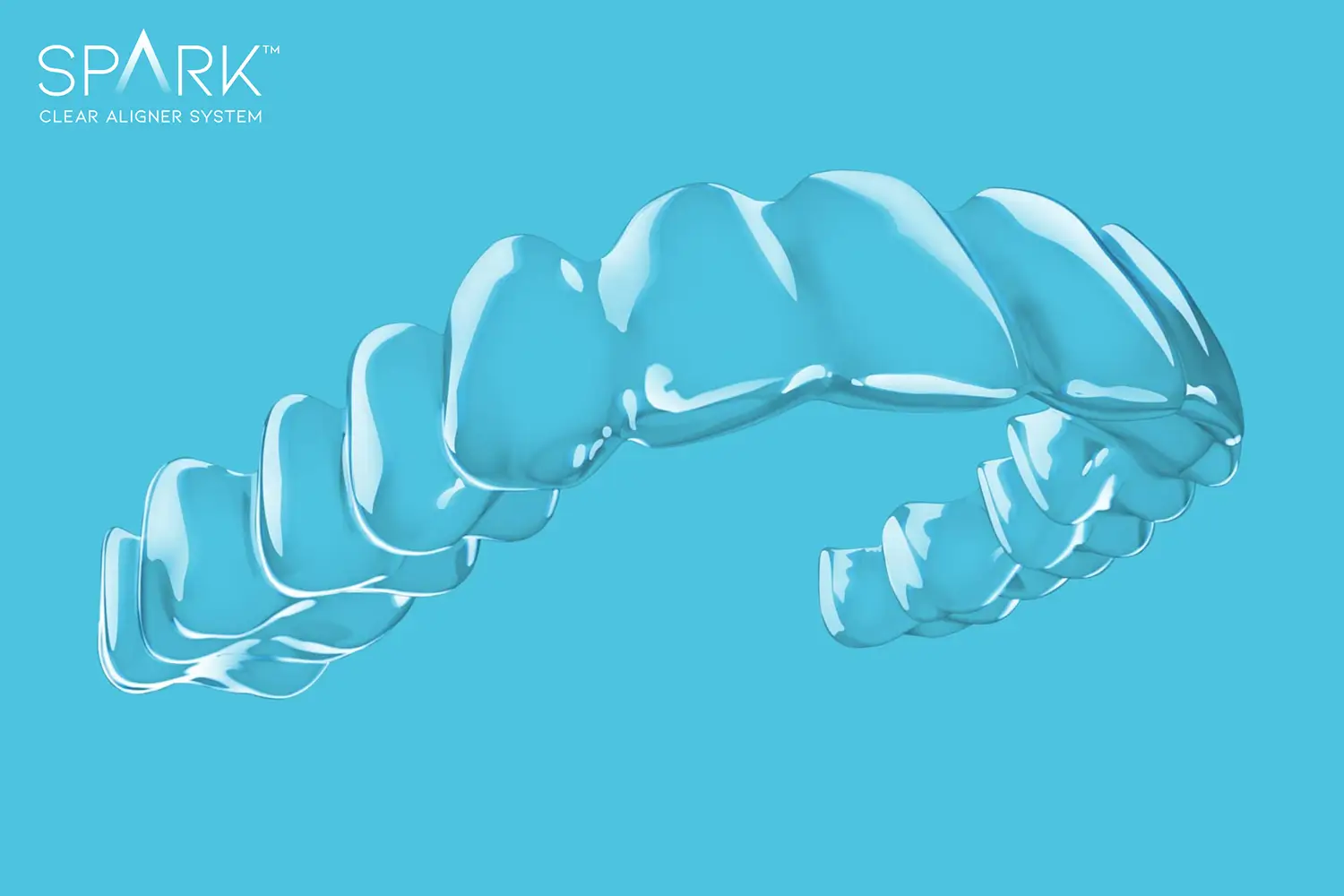
Spark is one of the clear aligner systems available at Chesterville Dental. It combines digital planning with a sequence of custom made aligners designed for the movements approved by your dentist.
The aligner brand is only one part of treatment. The quality of the assessment, the clinical plan, the way progress is reviewed and how refinements are managed all influence the experience and result. Your dentist will explain whether Spark is appropriate for your needs rather than recommending it simply because it is a recognised system.
Angel Aligners at Chesterville Dental
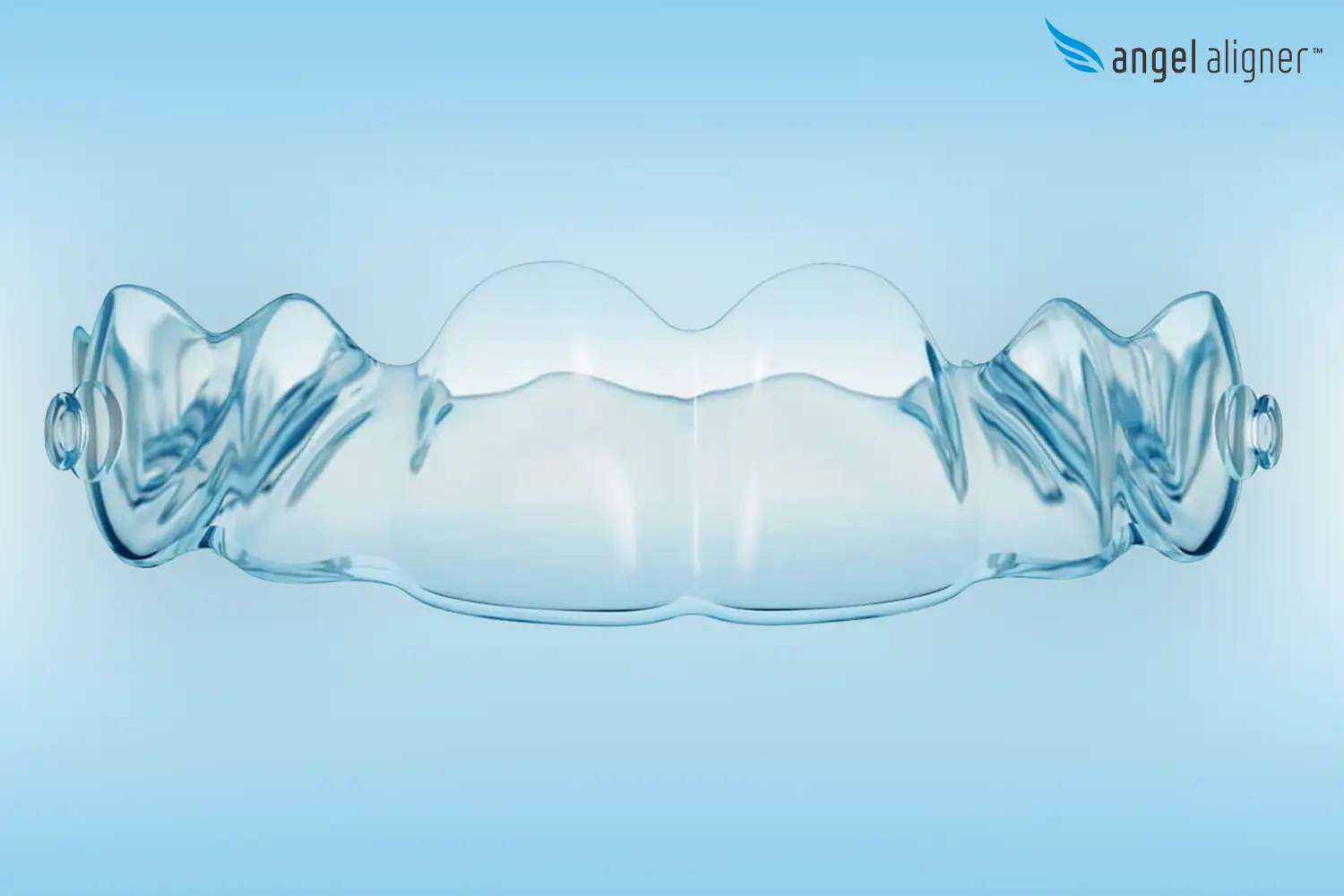
Angel Aligners are also available for suitable cases. Like other professionally prescribed clear aligner systems, treatment begins with digital records and a dentist approved plan, followed by a sequence of trays and regular reviews.
Access to more than one aligner system gives the treating dentist greater planning flexibility. It does not mean one brand is universally better. The recommended option depends on the movements required, your bite, treatment goals and the clinical features that matter in your case.
Your Clear Aligner Treatment Process
1. Consultation and Goals.
We begin by asking what bothers you about your smile, whether you have had previous orthodontic treatment, and what you hope to change. This is also the time to discuss timing, lifestyle and any concerns about treatment.
2. Dental and Bite Assessment.
Your dentist examines your teeth, gums and bite. Photographs, X rays or other records may be recommended where clinically required. Existing dental concerns are identified before planning begins.
3. Digital Scan and Immediate Simulation.
A three dimensional scan records the current position of your teeth. An idealised smile simulation can be generated within seconds to support the initial discussion.
4. Detailed Treatment Planning.
If you are suitable and wish to continue, the records are used to design a clinical plan. Your dentist reviews the proposed movements rather than relying on an automatic software result.
5. Aligner Fitting and Instructions.
When your aligners arrive, the fit is checked and any planned attachments are placed. You receive instructions about wear, cleaning, meals, storage and what to do if a tray is lost or damaged.
6. Progress Reviews.
Appointments are scheduled to check fit, tooth movement, gum health and your bite. Do not move ahead through trays faster than advised. Additional scans or refinement aligners may be recommended if the response differs from the original plan.
7. Retention.
Once active movement is complete, retainers are normally required to help maintain the new tooth positions. Retention is part of treatment, not an optional extra to think about later.
What Daily Life with Clear Aligners Involves
Aligners need to be worn consistently, usually for around 20 to 22 hours a day. They are removed for meals, most drinks, brushing and flossing. Water is generally the safest drink while the trays are in place. Sugary or acidic drinks can become trapped against the teeth and increase the risk of damage.
You may notice pressure or tenderness when a new set is fitted. This usually reflects the force being applied to the teeth, but severe or persistent pain should be reported. Speech can feel slightly different at first and generally becomes easier as the tongue adapts.
Clean the trays according to the instructions provided. Hot water can distort them, and strongly coloured products can affect their appearance. Keep aligners in their case when they are not in your mouth. If one is lost, cracked or no longer fitting, contact the clinic before deciding which tray to wear.
Attachments, Elastics and Space Creation
Some treatment plans need more than clear trays alone. Tooth coloured attachments can provide extra grip for rotations, root movements and other planned changes. Elastics may be used to influence the relationship between the upper and lower teeth.
A small amount of enamel may sometimes be reshaped between selected teeth to create space. This is called interproximal reduction. It is not automatically required, and the proposed amount, reason and alternatives should be discussed before it is performed.
Clear Aligners Compared with Braces
Clear aligners are removable and lower profile, which can make meals and cleaning easier. Fixed braces remain on the teeth and do not depend on remembering to wear them. Braces can also provide strong control for certain complex movements.
Neither option is universally better. The best choice depends on the diagnosis, the movements required, age and growth, oral hygiene, lifestyle, personal preference and the likelihood of following instructions. Chesterville Dental offers clear aligner and braces assessments so the recommendation can be matched to the case.
How Long Does Clear Aligner Treatment Take?
Treatment time varies. A limited correction can take fewer months than a comprehensive plan involving both arches and the bite. More complex movements, missed wear time, lost aligners, oral health interruptions or the need for refinements can extend the schedule.
After assessment and detailed planning, your dentist can provide an estimated timeframe. It remains an estimate because teeth do not all respond at the same rate, and the plan may need to be adjusted as treatment progresses.
Clear Aligner Costs and Payment Planning
The cost depends on the complexity of the case, the number of aligners, whether one or both arches are treated, attachments and refinements, review appointments and the retention plan. A quick simulation cannot determine the final fee by itself.
After assessment and planning, Chesterville Dental can provide a written quote explaining what is included. Private health fund benefits vary, and orthodontic waiting periods or lifetime limits may apply. Check your policy using the item information supplied by the clinic.
Risks and Limitations to Understand
Clear aligner treatment can involve temporary tenderness, irritation, changes in speech, difficulty keeping trays clean, and the possibility that attachments become loose. Tooth movement can also be associated with gum recession, changes to tooth roots, loss of vitality, bite changes or jaw discomfort in some circumstances. These risks vary and must be discussed for your case.
The planned result may not be fully achieved with the first series of aligners. Refinement trays, additional procedures, a change in treatment method or specialist referral may be recommended. Good wear does not guarantee a particular cosmetic outcome, and existing differences in tooth shape, colour or gum levels may remain after alignment.
Retainers After Treatment
Teeth can move again after orthodontic treatment. Retainers help reduce that movement by supporting the teeth in their new positions while the surrounding tissues adapt. Your dentist will recommend the type of retainer and how often it should be worn.
Retention is usually long term. A retainer can wear, crack or stop fitting over time, so bring it to review appointments and contact the clinic if you notice a change rather than waiting for visible relapse.
Why Choose Chesterville Dental for Clear Aligners?
Chesterville Dental combines a local dental assessment with digital scanning, an instant simulation and access to Spark and Angel Aligners. The focus is not simply on supplying trays. It is on diagnosing the bite, checking oral health, designing the movement plan and monitoring how your teeth respond.
The clinic can also discuss fixed braces, digital smile design, general dental care and restorative options where those services need to be coordinated. This helps keep the recommendation connected to your whole mouth rather than one cosmetic concern.
The clinic is located at 23 E Boundary Rd, Bentleigh East VIC 3165, with on site parking, online booking and Saturday appointments. Patients attend from Bentleigh East, Bentleigh, Moorabbin and surrounding suburbs.
50+ Years Experience
Quality Work Promise
Gentle and Caring

Frequently Asked Questions About Clear Teeth Aligners
Which clear aligner brands do you offer?
Chesterville Dental offers Spark and Angel Aligners for suitable cases. Your dentist will recommend an option only after assessing your teeth, gums and bite.
What is the instant smile simulation?
A digital scan records the current position of your teeth and software produces an idealised preview of a straighter smile within seconds. It supports the consultation but is not the final treatment plan or a guarantee of the result.
Are clear aligners invisible?
They are clear and lower profile than many fixed appliances, but they are not completely invisible. Tooth coloured attachments, elastics and the edge of the trays may still be noticeable.
How many hours a day do I need to wear aligners?
Most plans require around 20 to 22 hours of wear each day. Remove them for meals, most drinks, brushing and flossing, and follow the schedule given by your dentist.
Can I eat while wearing clear aligners?
No. Remove the trays for food. Water is generally the safest drink while they are in place. Clean your teeth as instructed before reinserting the aligners.
Do clear aligners hurt?
Pressure or tenderness can occur, particularly after changing to a new set. Severe, sharp or persistent pain, or a tray that does not fit, should be discussed with the clinic.
Will I need attachments?
Many plans use small tooth coloured attachments to help deliver particular movements. Your dentist will explain where they are needed, how they look and when they are removed.
Can teenagers have clear aligners?
Some teenagers are suitable, particularly when tooth development and the required movements are appropriate and consistent wear is realistic. The assessment also considers growth, oral hygiene and whether braces may be more predictable.
Can aligners fix every bite problem?
No. Aligners can manage many concerns, but not every movement or bite relationship is best treated this way. Braces, another appliance, restorative care or specialist orthodontic treatment may be recommended.
How long will treatment take?
The timeframe depends on the amount and type of movement, your bite, wear consistency and whether refinements are required. A personalised estimate can be provided after records and planning are complete.
What happens if I lose an aligner?
Contact Chesterville Dental promptly. Do not automatically skip ahead or return to an earlier tray without advice, because the correct step depends on where you are in the sequence and how the next tray fits.
Will I need retainers after clear aligners?
Yes, retainers are normally required after active treatment to help maintain the new tooth positions. Your dentist will explain the type and long term wear schedule.
How much do Spark or Angel Aligners cost?
Cost depends on the complexity and length of treatment, the number of aligners, reviews, refinements and retainers. A written quote is prepared after assessment and planning.
Can I have clear aligners if I have crowns or implants?
Sometimes. Crowns and other restorations can affect attachment and planning, while dental implants do not move like natural teeth. Your dentist must assess how existing work influences the proposed treatment.