Sleep Dentistry in Bentleigh East
Sleep dentistry is a patient friendly term for dental treatment supported by sedation or general anaesthesia. It may be considered when dental anxiety, a strong gag reflex, difficulty tolerating treatment or the length and complexity of a procedure makes ordinary dental care hard to manage.
Not every option puts you fully to sleep. Oral and IV sedation generally reduce anxiety and awareness while you remain responsive. General anaesthesia is a controlled state of unconsciousness. The appropriate method depends on your health, the proposed dental treatment, the level of support required and the practitioners and facilities involved.
When Dental Care Feels Difficult or Out of Reach
Some people feel mildly nervous before a dental visit. Others experience intense anxiety, panic, a strong gag reflex, distress linked to a previous experience, or difficulty tolerating the sounds, sensations and loss of control associated with treatment. Being told to simply relax is rarely helpful.
Avoiding the dentist can allow a manageable problem to become more complicated, but that does not mean you should be rushed into treatment. A better first step is a calm consultation where you can explain what makes dental care difficult, what you think you need and what has or has not helped in the past.
Chesterville Dental considers sleep dentistry and dental sedation as part of a broader care plan. The aim is to make necessary treatment more manageable while maintaining appropriate assessment, consent, monitoring and recovery support.
What Does Sleep Dentistry Actually Mean?
The phrase sleep dentistry is commonly used by patients, but it can describe several different levels of medication support. Depending on the method, you may feel calmer and drowsy, remain responsive but remember very little, or be fully unconscious under general anaesthesia.
Sedation mainly changes anxiety, awareness and responsiveness. Local anaesthetic is still commonly used to numb the treatment area and manage procedure related discomfort. Your dentist and sedation provider should explain what you are likely to feel, whether you may remember parts of the appointment and how long recovery is expected to take.
Using clear language matters. Oral sedation, IV sedation and general anaesthesia are not interchangeable. Each has different practitioner, preparation, monitoring, discharge and recovery requirements.
Who May Consider Sleep or Sedation Dentistry?
Sleep dentistry may be discussed for people with significant dental anxiety or dental phobia, a strong gag reflex, difficulty becoming comfortable for treatment, a history of distressing dental experiences, or a need for lengthy or complex care.
It may also help some patients who find it difficult to remain still or tolerate treatment for other reasons. In selected cases, sedation can allow several planned procedures to be completed in one appointment, which may reduce the number of visits. That decision depends on safety, treatment complexity and the amount of care that can reasonably be completed at one time.
Sedation is not automatically recommended because someone feels nervous. Some patients are better supported through slower appointments, clear stop signals, additional explanation, staged treatment, local anaesthetic techniques or other comfort strategies. The consultation should identify the least intensive option that is likely to be workable and safe for the individual.
Sedation Options that May Be Considered
Depending on your needs and the treatment being planned, the options considered may include oral sedation, IV sedation or general anaesthesia. Availability and suitability must be confirmed after assessment, and each method requires the appropriate practitioner, facilities, monitoring and recovery arrangements.
Oral Sedation
Oral sedation involves medication taken by mouth before treatment. It may reduce anxiety and make you feel drowsy, while you generally remain able to respond. The effect varies between people, and memory of the appointment may be reduced.
Because sedating medication can affect judgement, coordination and reaction time, you must follow the instructions provided about fasting, regular medicines, transport and supervision after treatment. Never take someone else’s medication or change the dose yourself.
IV Sedation
IV sedation involves medication administered through a vein by a practitioner who is appropriately qualified and authorised to provide it. The level of sedation can be adjusted during the procedure. Many patients feel deeply relaxed and may remember little, but IV sedation does not necessarily mean complete unconsciousness.
Monitoring and structured recovery arrangements are essential. You will need an approved transport and aftercare plan, and you must follow the written restrictions on driving, work, alcohol, machinery and important decisions after the appointment.
General Anaesthesia
General anaesthesia is a medication induced state of controlled unconsciousness. It is different from conscious sedation and requires an appropriately qualified anaesthetist, suitable facilities, continuous monitoring and structured recovery care.
It may be considered for particular patients or procedures when the expected benefits are judged to outweigh the risks. It is not automatically the best option for dental anxiety, and a separate anaesthetic assessment may be required before treatment can proceed.
Will I be completely asleep?
Only general anaesthesia is intended to make you fully unconscious. With oral or IV sedation, you may feel sleepy and very relaxed while remaining responsive to instructions. Some people remember very little afterwards, while others retain more memory.
Your treating team should explain the intended level of sedation in plain language. If being fully asleep is important to you, say so at the consultation, but understand that the safest and most appropriate method depends on your health and the planned procedure.
Is sleep dentistry safe?
Sedation and general anaesthesia can be provided safely for appropriately selected patients when they are assessed, administered and monitored by suitably qualified practitioners in an appropriate setting. No form of sedation or anaesthesia is completely free of risk.
Your assessment may consider medical conditions, medicines and supplements, allergies, previous reactions to sedation or anaesthesia, pregnancy, breathing or sleep related conditions, and the availability of a responsible adult after treatment. Information from your general practitioner or specialist may be required in some cases.
The practitioner responsible for sedation or anaesthesia should discuss the material benefits, risks, alternatives and expected recovery. You should have time to ask questions before giving consent for the sedation or anaesthesia as well as for the dental procedure itself.
Who may not be suitable?
Suitability cannot be determined from dental anxiety alone. Certain medical conditions, airway or breathing concerns, current illness, pregnancy, medication interactions, previous anaesthetic complications or the absence of safe transport and supervision may change the recommendation or require treatment in a different setting.
A decision not to proceed with a particular method does not mean care stops. The team can discuss staged treatment, different comfort strategies, medical review, referral or a facility with a higher level of support.
Dental Treatments that May Be Performed with Sedation
Sedation may be considered for many forms of dental care when clinically appropriate. This can include wisdom tooth assessment and removal, other extractions, root canal treatment, restorative care, dental implant procedures, and multiple planned treatments for a highly anxious patient.
Not every procedure needs sedation, and not every case can be completed in one session. The dental work must first be assessed on its own merits, including any X rays, scans, infection management or staged healing that may be required.
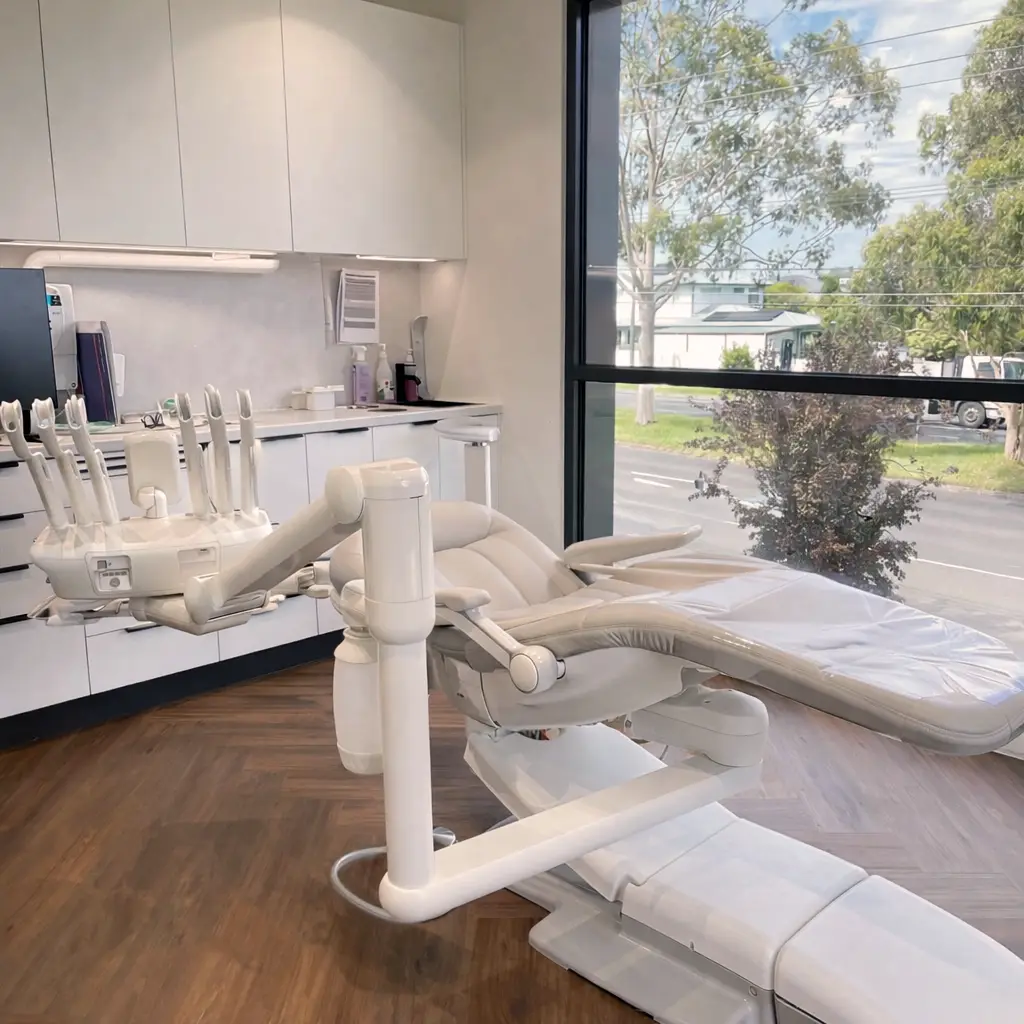
Your Sleep Dentistry Process
1. Start with A Consultation.
Tell us what makes dental treatment difficult, what care you think you need and any previous experience with sedation or anaesthesia. You can attend this appointment to talk and be assessed without committing to treatment that day.
2. Dental Examination and Records.
Your dentist examines the teeth, gums and relevant areas, then recommends any photographs, X rays or scans needed to diagnose the problem and plan care.
3. Medical and Sedation Assessment.
Your health history, medicines, allergies, previous anaesthetic experiences and other risk factors are reviewed. Depending on the proposed method, a separate assessment with the sedation practitioner or anaesthetist may be required.
4. Written Treatment Plan and Quote.
The plan should explain the dental treatment, proposed sedation or anaesthetic method, alternatives, expected appointment length, likely recovery, fees and who will be involved.
5. Preparation Instructions.
You receive specific instructions about fasting, regular medication, clothing, transport and the responsible adult who will support you after treatment. Follow these instructions exactly. Do not assume the preparation is the same as a previous procedure.
6. Treatment, Monitoring and Recovery.
The dental and sedation teams complete the planned care with monitoring appropriate to the method used. You remain in recovery until the responsible practitioner is satisfied that discharge criteria have been met.
7. Follow up Care.
Written aftercare explains eating, drinking, pain relief, oral hygiene, warning signs and when you will be reviewed. Contact details should be available if you are concerned after leaving.
How to Prepare for A Sleep Dentistry Appointment
Preparation is part of safe care. Fasting requirements vary, so only follow the times provided for your appointment. Tell the team about every prescription medicine, over the counter product, vitamin and supplement you use. Do not stop a regular medicine unless the appropriate practitioner instructs you to do so.
Arrange an approved responsible adult to take you home and provide any supervision required. Public transport may not be suitable after deeper sedation or general anaesthesia. Plan time away from work and caring duties, and avoid scheduling important decisions or commitments for the recovery period.
If your health changes before the appointment, or you develop a cold, chest symptoms, fever or another concern, contact the clinic. The safest decision may be to review or postpone treatment rather than proceed without reassessment.
Recovery After Dental Sedation or General Anaesthesia
Recovery depends on the medication, dose, procedure length, your health and your individual response. Drowsiness, reduced concentration and slower reaction times can continue after you feel awake. Follow the written instructions about driving, alcohol, machinery, exercise, work and legally significant decisions.
A responsible adult may need to stay with you for the period specified by the sedation or anaesthetic provider. Eat and drink only as advised, take pain relief exactly as directed and contact the clinic if symptoms are more severe than expected or you are worried about your recovery.
The dental procedure itself may also have separate aftercare. An extraction, implant procedure or root canal treatment can involve its own healing instructions even after the sedative effects have passed.
How Much Does Sleep Dentistry Cost?
The total cost can include the consultation and records, the dental treatment, the sedation or anaesthetic provider, the length of the service, facility and recovery requirements, and follow up care. A written quote should separate the relevant components so you understand what is included.
Private health fund benefits vary by policy and item number. Routine private dental treatment is generally not covered by Medicare. In some circumstances, anaesthesia services provided by an eligible medical practitioner in connection with dental care may attract a Medicare benefit under applicable Medicare Benefits Schedule items.
The benefit is not a simple fixed percentage based only on whether treatment runs for less or more than three hours. Eligibility, item numbers and out of pocket costs should be confirmed with the anaesthetist, Medicare and your private health fund before treatment.
Why Choose Chesterville Dental for Sleep Dentistry
The first priority is understanding why dental care feels difficult and what treatment is actually required. Chesterville Dental can assess your oral health, explain the reasonable options and coordinate dental and sedation planning when a deeper level of support is appropriate.
The clinic provides general, restorative and advanced dental services, which means the sedation discussion can be connected to a complete treatment plan rather than treated as a separate product. Where IV sedation or general anaesthesia is recommended, care is coordinated with appropriately qualified providers and the required monitoring and recovery arrangements. The treating team will confirm where the procedure and recovery will occur.
The Bentleigh East clinic is located at 23 East Boundary Road, Bentleigh East VIC 3165, with on site parking, online booking and Saturday appointments. The team welcomes patients from Bentleigh East, Bentleigh, Moorabbin and surrounding suburbs.
50+ Years Experience
Quality Work Promise
Gentle and Caring
Frequently Asked Questions About Sleep Dentistry
What is sleep dentistry?
Sleep dentistry is a broad term for dental treatment supported by sedation or general anaesthesia. Depending on the method, you may remain conscious and responsive or be fully unconscious.
Is sleep dentistry the same as general anaesthesia?
No. General anaesthesia is one possible method and involves controlled unconsciousness. Oral and IV sedation generally leave you responsive, even when you feel very drowsy or remember little.
Can sleep dentistry help with dental phobia?
It may help some people with significant dental anxiety or dental phobia. The consultation also considers whether slower appointments, staged care or other comfort strategies could provide enough support with less intensive intervention.
Will I still need local anaesthetic?
Often, yes. Sedation mainly reduces anxiety and awareness, while local anaesthetic is commonly used to numb the area being treated. Your dentist will explain the planned combination.
Is dental sedation safe?
It can be provided safely for suitable patients when the assessment, practitioner qualifications, facilities, monitoring and recovery arrangements are appropriate. All sedation and anaesthesia carries risk, which must be discussed for your individual situation.
What dental treatments can be completed under sedation?
Sedation may be considered for extractions, wisdom tooth procedures, root canal treatment, restorative care, dental implant procedures and multiple planned treatments. Suitability depends on the person and the procedure.
Can several dental procedures be completed at once?
Sometimes. Sedation can make a longer appointment more manageable and may reduce the number of visits, but only when the amount of care is clinically appropriate and can be completed safely in one session.
How should I prepare for the appointment?
Follow the specific instructions about fasting, medicines, transport and supervision. Tell the clinic about all health conditions, medicines, supplements, allergies and previous problems with sedation or anaesthesia.
Can I drive home after sleep dentistry?
No after IV sedation or general anaesthesia, and driving may also be restricted after oral sedation. Arrange the approved transport and responsible adult required by your written instructions.
How long does recovery take?
Recovery varies with the method, dose, procedure and individual response. Drowsiness and reduced concentration can continue after you feel awake, so follow the restrictions provided by the sedation or anaesthetic practitioner.
Does Medicare cover sleep dentistry?
Routine private dental treatment is generally not covered by Medicare. Some eligible medical anaesthesia services may attract a benefit when Medicare Benefits Schedule requirements are met. Ask for the relevant item information and confirm your circumstances before treatment.
How much does sleep dentistry cost?
Cost depends on the dental treatment, sedation or anaesthetic method, provider fees, duration, facility and recovery requirements, records and follow up care. Chesterville Dental can prepare a written quote after assessment.
What if I am not suitable for sedation?
The team will explain the reason and discuss alternatives. These may include staged treatment, different comfort measures, a different clinical setting, medical review or referral to another appropriately equipped provider.