Root Canal Treatments in Bentleigh East
A root canal treatment involves removing infected or inflamed tissue from inside a tooth. The root canal is the space within the tooth that contains the pulp cells, nerve tissue and blood vessels. If bacteria enter this area through decay, cracks or other damage, the tissue can become infected and may cause toothache, sensitivity or swelling. In some cases, an abscess can also develop. However, not every infected root canal causes noticeable pain, which means a problem may still be present even when the tooth feels relatively normal.
Because symptoms are not always obvious, regular dental check-ups can help identify changes in the tooth and allow your dentist to assess whether root canal treatment or other care may be needed.
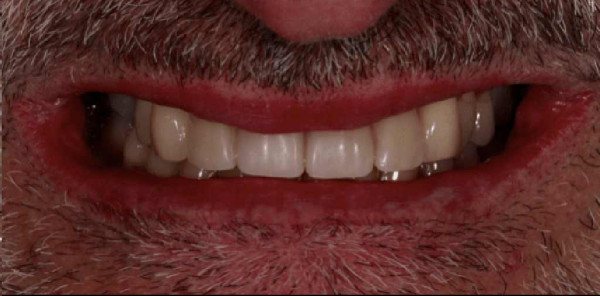
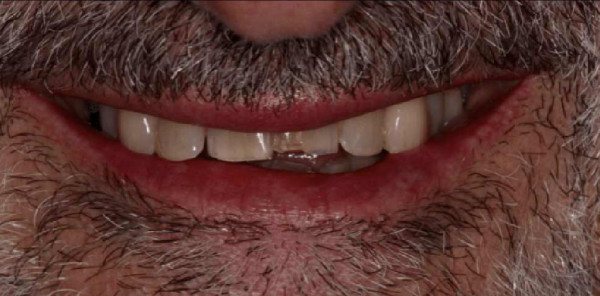
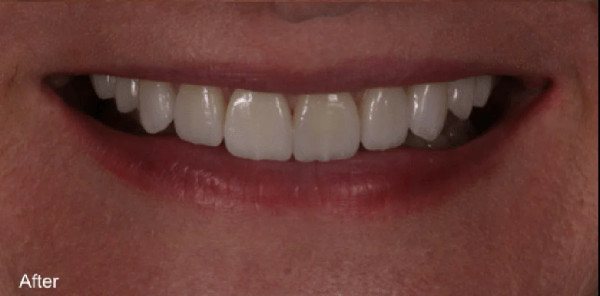
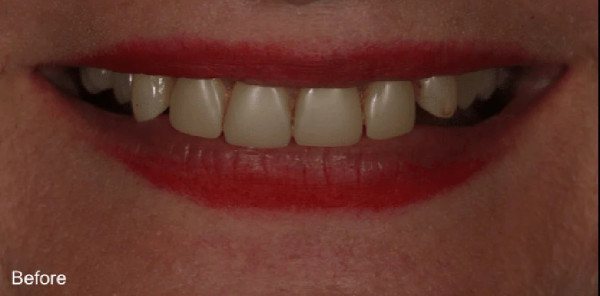
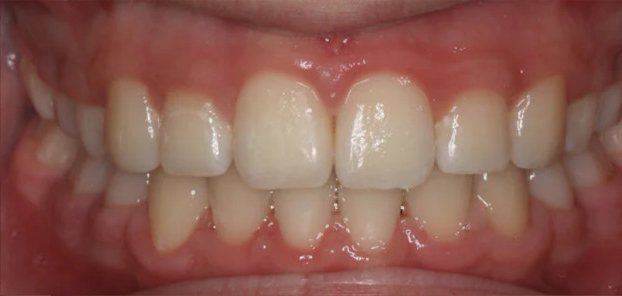
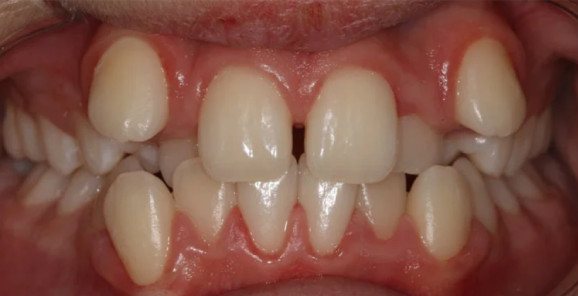
Before & After Procedures
FAQ About Root Canal Treatment
As a relatively non-invasive treatment, root canal recovery shouldn’t take longer than a few days. You may experience mild pain during this time, but know that it is temporary and will likely go away without any action on your part as long as good oral hygiene is maintained. With that said, if your symptoms last more than 3-4 days, it would be best to schedule a follow-up appointment with your dentist to ensure that everything is healing properly.
What is a Root Canal?
Keep in mind that, whilst this pulp has an important role in the development of your teeth, removing it will not significantly impact the rest of the tooth. This is because a fully-developed tooth will continue to gain nourishment from the tissues that surround it.
Root Canal Symptoms: How Will I Know If I Need A Root Canal?
Darkening of the gums
Noticeable decay in the tooth or gums
Intense temperature sensitivity that continues after the cause is removed
Gum boils, which can appear as pimples or abscesses on the gums
If you notice any significant changes in your gums, teeth, or oral sensations, it’s best to get checked out by an experienced dental specialist. The initial consultation should be able to provide valuable information regarding potential issues and how to proceed.