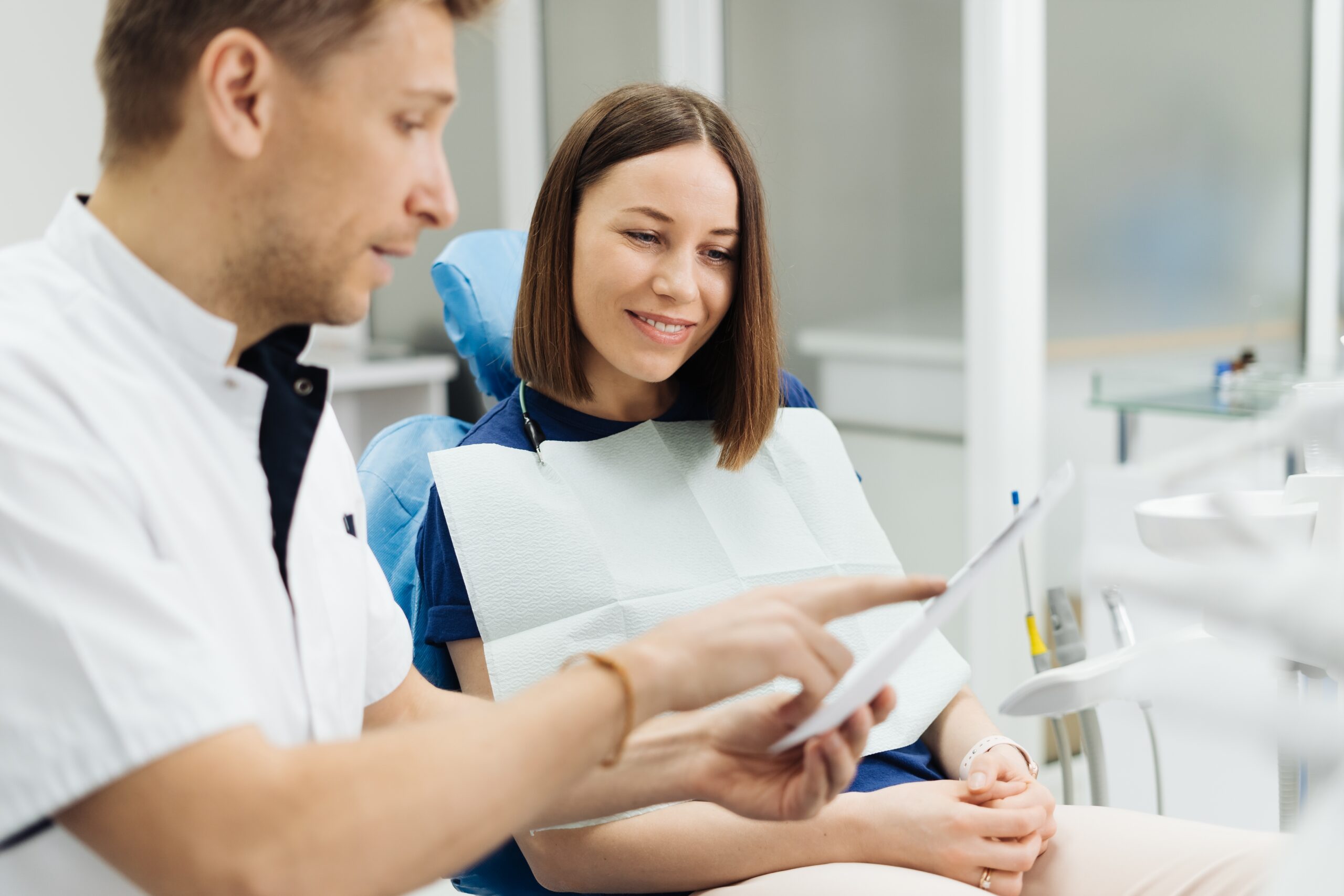
What happens after an emergency dental appointment depends on what was found and what was done during the visit. Some problems can be managed in one appointment, while others need temporary treatment first, followed by further dental care once the immediate concern has settled.
The important part is leaving with a clear understanding of what was treated, what still needs attention and what changes should prompt another review.
The First Appointment May Only Address the Immediate Problem
Emergency dental care often focuses on making the situation manageable and determining the appropriate next step.
Depending on the clinical findings, the dentist may be able to complete treatment during the first visit. In other situations, temporary stabilisation may be more appropriate before definitive treatment is planned.
For instance, a damaged restoration may need temporary protection, whereas a more complex issue would require another appointment after the dentist has examined the tooth and surrounding tissues in greater detail.
This does not necessarily mean the first appointment was incomplete. Urgent care and longer-term treatment can have different purposes.
Aftercare Depends on the Treatment You Received
The instructions after an emergency appointment should relate to the procedure that was actually performed.
Some people may be advised to avoid chewing on a particular area for a short period. Others may need to take extra care around a temporary restoration or monitor how the area responds over the following days.
Before leaving, it is useful to understand what is expected after treatment and what would be unusual.
That may include knowing when you can eat normally again, whether temporary sensitivity is possible and how to clean around the treated area.
Following the specific instructions provided by your dentist is preferable to relying on general advice online, as recommendations can vary considerably between treatments.
A Follow-Up Appointment May Be Part of the Plan
A second appointment may be recommended when the emergency visit has addressed only the most immediate concern.
Follow-up care might involve reviewing how an area is healing, completing restorative work or reassessing a tooth before deciding on the next stage of treatment.
The timing will depend on the individual situation.
It is worth confirming whether the next visit is simply a review or whether further treatment is already expected. Knowing this beforehand makes it easier to understand the overall treatment sequence rather than viewing each appointment separately.
Where more than one option is available, the dentist can also explain the alternatives, relevant limitations, and likely maintenance requirements before proceeding with further care.
Symptoms Should Be Monitored Rather Than Ignored
The period after urgent dental treatment can provide useful information about how the area is responding.
Some temporary changes may be expected depending on the procedure, but significant or worsening symptoms should not simply be assumed to be normal.
Contact the dental clinic if there is an unexpected change, particularly if discomfort becomes considerably worse, swelling develops or increases, bleeding does not settle, or something about the treated area does not seem right.
If symptoms affect breathing or swallowing, or there is significant facial swelling or major trauma, medical emergency care may be more appropriate than waiting for a routine dental review.
The key is to follow the advice given at the appointment and seek further assessment when the situation changes.
Temporary Treatment Should Not Be Forgotten Once You Feel Better
Feeling more comfortable after an emergency appointment does not always mean that no further care is required.
Temporary materials and short-term measures may be used to protect a tooth or stabilise an area until the next stage can be completed. If symptoms settle quickly, it can be easy to postpone the planned follow-up.
The dentist should explain whether the completed work is intended to remain in place or if another procedure is recommended.
This distinction matters because a temporary solution is designed for a different purpose from a longer-term restoration.
Keeping the recommended review appointment also gives the dentist an opportunity to reassess the area after the initial urgency has passed.
The Emergency Visit Can Lead to Broader Dental Planning
Once the immediate concern has been addressed, the next step may be to look at factors that could influence future care.
This does not mean every emergency should lead to extensive treatment. In some cases, no additional work may be needed beyond the planned follow-up.
In others, the appointment may highlight an older restoration, tooth wear, bite concerns or another issue that would benefit from separate assessment.
Any additional recommendations should be discussed on their own merits, with enough information for the patient to understand why they are being considered.
This keeps the emergency appointment focused on the urgent problem while allowing future care to be planned separately where appropriate.
Following Up With an Emergency Dentist in Bentleigh East
The period after an emergency appointment is often about following the plan already discussed rather than starting again from the beginning.
If another visit has been recommended, keeping that appointment gives the dentist a chance to review the area, complete any planned treatment and confirm whether further care is needed.
For patients in Bentleigh East who need urgent dental care or follow-up after an emergency visit, Chesterville Dental Bentleigh East can assist with ongoing assessment and treatment planning tailored to the individual situation.